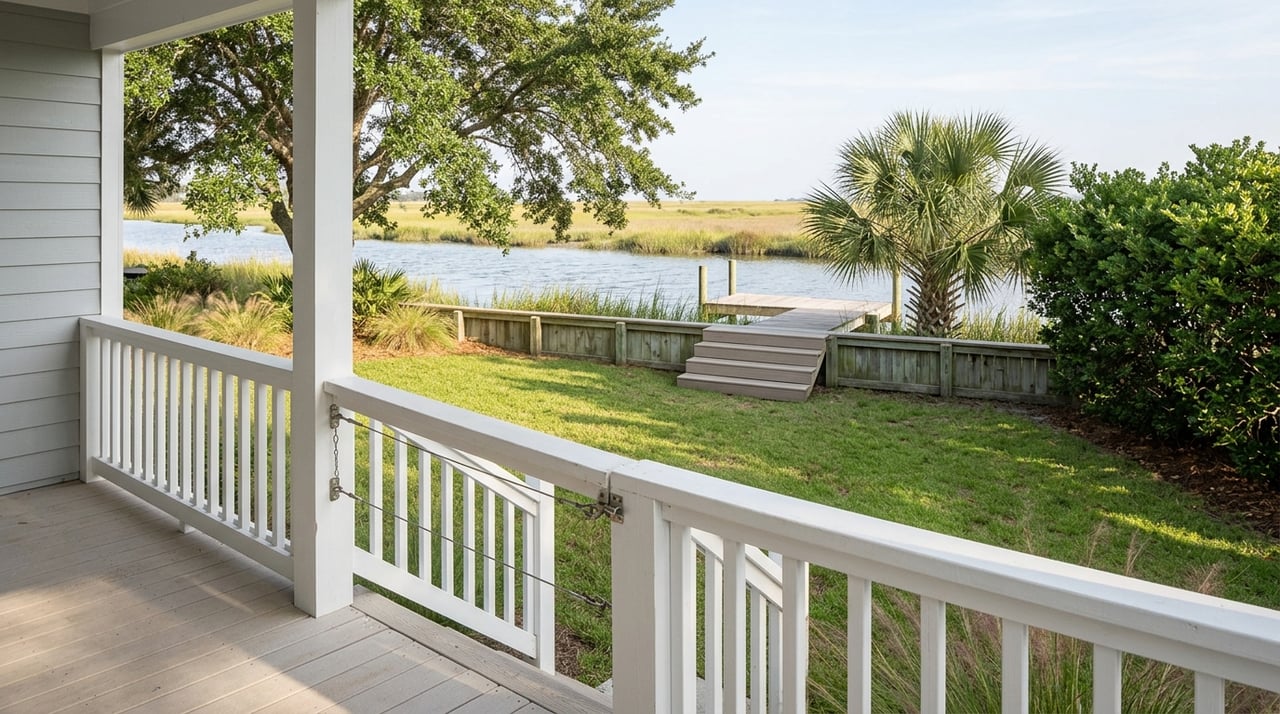
Looking for a coastal lifestyle that feels more relaxed than the busier beach hubs along the Grand Strand? Little River offers a different pace. You get waterfront character, boating access, fresh seafood, and local traditions, all in a community that feels more residential and settled day to day. If you are wondering what it is really like to live here, this guide will walk you through the lifestyle, local highlights, and why Little River stands out. Let’s dive in.
Why Little River Feels Different
Little River is an unincorporated community in Horry County with 11,711 residents spread across 10.48 square miles, according to Horry County data. That works out to a population density of 1,117.6 people per square mile, which supports its more residential feel.
The area also shows signs of long-term roots. Horry County reports that 76.6% of housing units are owner-occupied, and the median owner-occupied home value is $305,800. Those numbers point to a community where many residents are putting down roots rather than passing through for a short resort stay.
Coastal Access Without Resort Energy
One of Little River’s biggest draws is how close you are to the water without feeling like you live in the middle of a vacation zone. Visit Myrtle Beach describes Little River as one of the oldest communities on the Grand Strand and a place where life moves slowly, with a relaxed and nautical setting.
That description fits the experience many buyers are looking for. If you want coastal access, marina convenience, and waterfront scenery, but you do not want your everyday routine to feel crowded or overly commercial, Little River offers a strong middle ground.
Boating and Marina Lifestyle
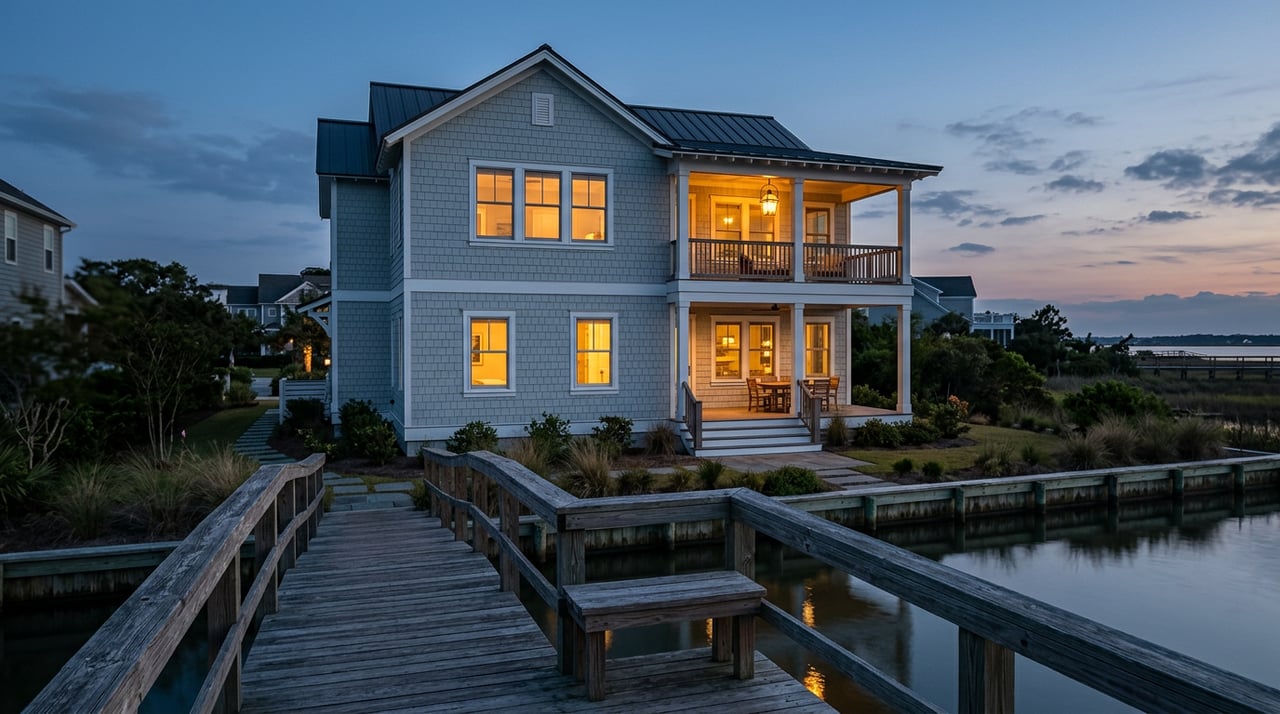
If being near the water is a top priority, Little River gives you practical access, not just a coastal label. Lightkeepers Marina sits on the Intracoastal Waterway in Coquina Harbour and offers a protected no-wake harbor. It is also just 5.4 miles from Little River Inlet, which is a meaningful advantage for boaters.
The community is also home to Grande Harbour Marina, reinforcing the area’s everyday connection to boating and waterfront recreation. For buyers who picture morning boat rides, fishing trips, or evenings by the water, that access is part of what makes Little River feel livable instead of purely seasonal.
Fishing Village Character
Little River is often known as a fishing village, and that identity still shapes the community today. Tourism coverage highlights deep-sea charters, party-boat cruises, seafood markets, and waterfront activity as part of everyday life in the area.
That matters when you are choosing not just a home, but a lifestyle. Little River’s appeal is tied to its working-waterfront character. It feels connected to the coast in a practical, grounded way, not just in a polished vacation-marketing sense.
Seafood Is Part of Daily Life
In Little River, seafood is not just a menu category. It is part of the local rhythm. Visit Myrtle Beach notes that seafood comes off fishing boats throughout the day and is served at local restaurants, which helps explain why the dining scene feels so rooted in place.
The same source highlights Crab Catchers as a casual waterfront restaurant with a broad seafood menu. For residents, that means you can enjoy the kind of waterfront dining experience visitors seek out, but as part of your normal routine.
Signature Events Bring Energy
A big reason people know Little River is its event calendar. The World Famous Blue Crab Festival takes place each May at the Historic Little River Waterfront. Coverage from tourism and festival sources describes it as one of the largest festivals in the Southeast, with recent projections of more than 50,000 attendees and about 200 vendors.
The official festival history says the event began in 1981 as a small waterfront gathering created to support local businesses. That origin story still fits Little River well. Even the area’s biggest event is tied to the local waterfront and community identity.
In the fall, ShrimpFest adds another layer to the calendar. According to the official festival information referenced by Visit Myrtle Beach, the October event includes two stages of live music, 100+ vendors, and seafood served by local waterfront restaurants.
What the Crowd Pattern Really Means
When people hear about large events, they sometimes assume Little River is always busy. The better way to think about it is this: the biggest crowds tend to center on signature festival weekends, while the rest of the year feels more low-key and residential.
That balance is part of the appeal. You can enjoy access to major local traditions and seasonal energy without living in a community that feels crowded every day. For many buyers, that is exactly the right fit.
Who Little River Appeals To
Little River can make sense for a range of buyers, especially if your priorities center on lifestyle rather than constant activity. It may be a strong fit if you want:
- A quieter coastal setting
- Convenient marina and boating access
- A community with a strong waterfront identity
- Fresh seafood and casual dining nearby
- Grand Strand access with a slower everyday pace
It can also appeal to buyers looking for a more established residential environment. Horry County data shows 42.2% of residents are 65 or older, which suggests a mature and settled community profile.
Everyday Living in Little River
The day-to-day experience in Little River is less about high-energy tourism and more about steady coastal living. You have access to marinas, waterfront restaurants, fishing-related recreation, and seasonal events, but the overall setting remains calmer than many nearby beach destinations.
That can be especially attractive if you are relocating, purchasing a second home, or simply looking for a coastal market where your home base feels comfortable and grounded. The area offers the benefits of the Grand Strand while preserving a pace that many buyers find easier to enjoy long term.
Why Buyers Consider Little River
From a real estate perspective, Little River stands out because it combines lifestyle and practicality. You are not choosing between total quiet and total activity. Instead, you get a coastal community with strong local identity, water access, and established residential character.
For buyers who want to stay connected to the shoreline without stepping into a more crowded resort environment, Little River deserves a closer look. It offers a version of coastal South Carolina living that feels authentic, accessible, and easier to settle into.
Final Thoughts on Little River Living
If your ideal coastal lifestyle includes marinas, fishing village charm, waterfront dining, and a slower pace, Little River checks a lot of boxes. It gives you access to the Grand Strand experience while keeping daily life more relaxed and residential.
If you are considering a move to Little River or exploring coastal property options in this part of South Carolina, Trenette Tucker can help you navigate the market with clear guidance, local insight, and personalized support.
FAQs
What is Little River, South Carolina known for?
- Little River is known for its fishing village character, waterfront setting, marinas, seafood, and signature events like the Blue Crab Festival and ShrimpFest.
Is Little River, SC quieter than other Grand Strand areas?
- Yes. Based on tourism coverage and local data, Little River is generally framed as a more relaxed, residential coastal community with the biggest crowds concentrated around festival weekends.
Does Little River offer boating access?
- Yes. Little River includes marina access such as Lightkeepers Marina on the Intracoastal Waterway and Grande Harbour Marina, supporting a strong boating lifestyle.
What kinds of amenities support daily life in Little River?
- Residents enjoy waterfront dining, seafood markets, fishing-related recreation, charter activity, marina access, and seasonal community events.
Is Little River a more established residential community?
- Yes. Horry County data shows a high owner-occupancy rate of 76.6%, and the area has a mature, settled community profile.