Thinking about selling your Charlotte home and wondering how to prep, price, and time it for a smooth sale and solid result? You are not alone. With inventory shifting and days on market stretching compared with a few years ago, a clear plan gives you an edge. In this guide, you will learn what today’s market means for your sale, the prep that pays off, how to price with confidence, what you will likely pay at closing, and the typical North Carolina timeline. Let’s dive in.
Charlotte market snapshot
Charlotte’s market has eased toward balance compared with the 2020–2021 surge. Regional reporting notes months of supply rising from ultra‑tight levels, with conditions that vary by neighborhood and price tier; entry-level segments often stay more competitive than higher-end tiers. Local Realtor association summaries describe the area as finding its footing in 2025 as inventory improved and buyers had more choices (Canopy Realtors® market overview).
Recent data shows moderate price gains and slightly longer times to sell. A city-level snapshot in early 2026 placed Charlotte’s median sale price near $420,000, while a broader regional study from UNC Charlotte reported a September 2025 metro median of about $443,850 and highlighted days on market rising from 19 to 27 year over year (UNC Charlotte State of Housing report). Use these as context, and know your neighborhood trend can differ.
The takeaway: today’s environment rewards strong presentation and disciplined pricing. If you list in the right window and launch well, you can still sell quickly at a competitive price.
Best time to list
Seasonality still matters in Charlotte. Spring brings the widest buyer pool and faster sales, with a common sweet spot in April and May. A national analysis of the “best week to list” in 2025 pointed to mid‑April and noted early‑spring lift in Charlotte. You may also see a smaller bump right after summer vacations wrap in September.
If you want to close before the new school year, aim to list in spring or early summer so a June or July closing is realistic. If you need to sell in slower months, plan sharper pricing, outstanding photos, and targeted marketing to keep traffic strong.
Pre‑list prep that pays off
You do not need a full remodel to win buyers. Focus on fast, high‑impact steps.
One to two weeks
- Declutter, depersonalize, and deep clean.
- Knock out obvious fixes like leaky faucets and burned‑out bulbs.
- Touch up neutral paint in high‑traffic areas.
- Finish staging and photos before the listing goes live. NAR’s latest staging research shows staged homes often spend less time on market and can see modestly higher offers (NAR Profile of Home Staging).
Curb appeal in one to three weeks
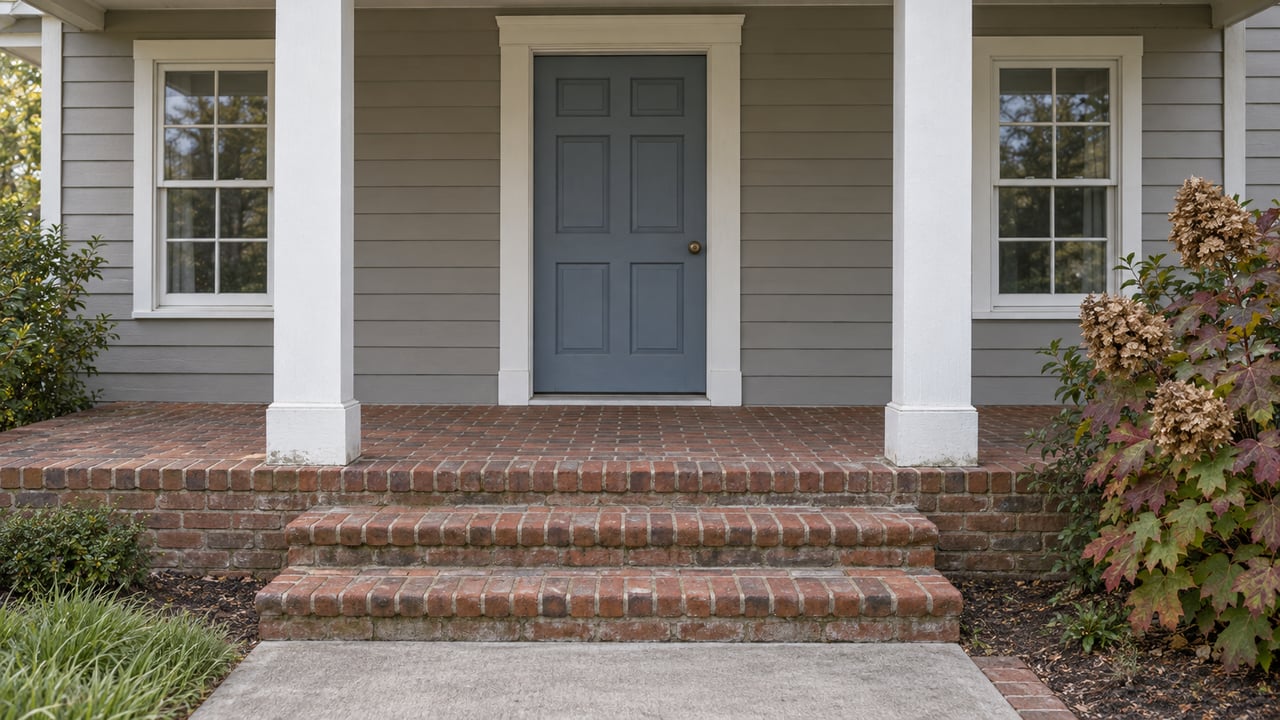
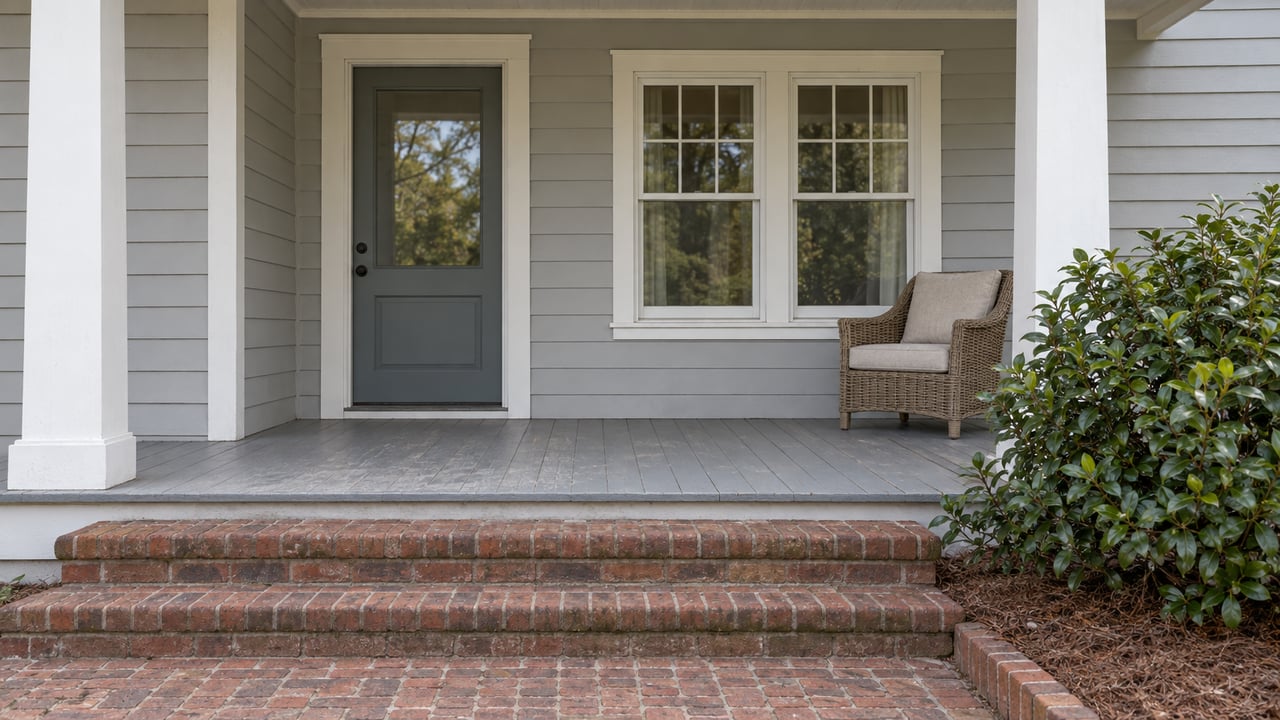
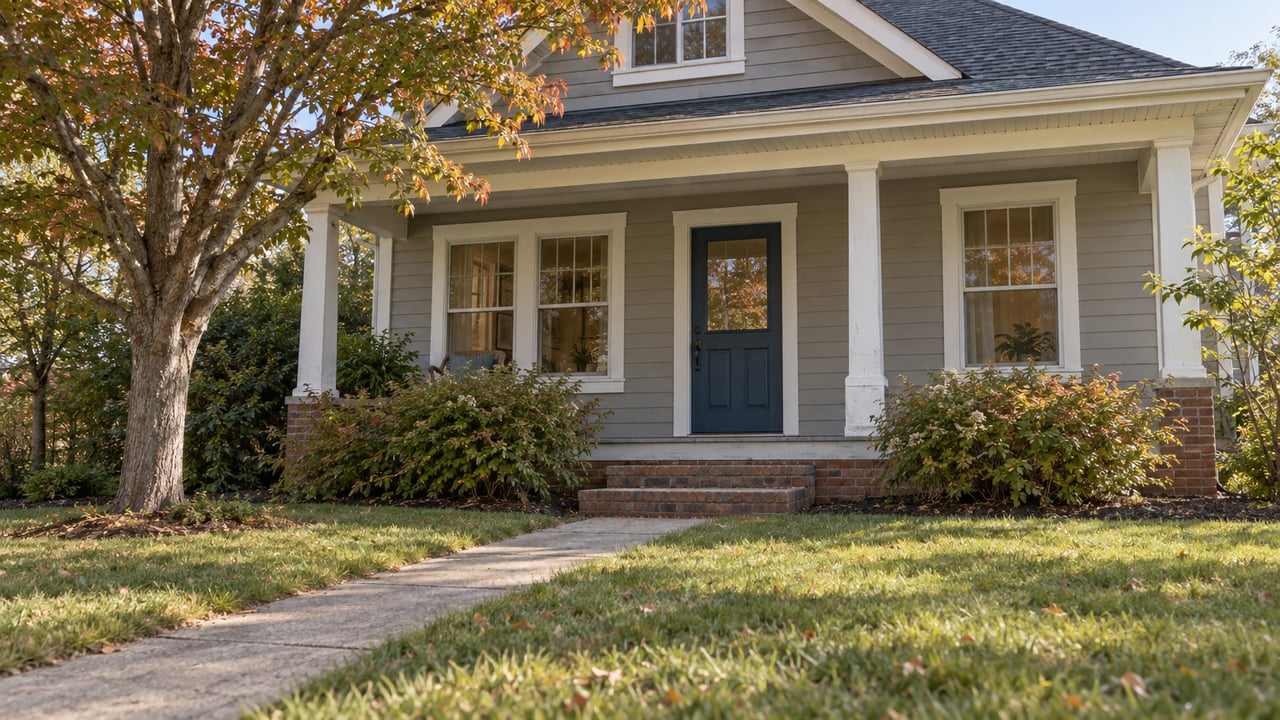
- Mow and edge, prune overgrowth, pressure wash the walk and drive.
- Refresh the mailbox, house numbers, and exterior lights.
- Consider a new steel entry door or a modern garage door. These exterior upgrades ranked among the top resale performers in 2025’s national Cost vs. Value report, often recouping well above cost at resale. Returns vary by neighborhood, so get local quotes first (Zonda Cost vs. Value).
Photo and presentation plan
- Hire a professional photographer and add a floor plan or 3‑D tour if possible.
- Stage the living room, the kitchen, and the primary bedroom for the biggest visual payoff (NAR staging findings).
Optional pre‑listing inspection
- A pre‑listing inspection is not required, but it can surface repair items early and reduce renegotiation risk during North Carolina’s due diligence period. Many buyers weigh the due diligence fee against the home’s condition, so transparency can help confidence (NC due diligence basics).
Smart pricing in Charlotte
Start with a detailed comparative market analysis (CMA) that uses sold comps from your immediate neighborhood in the last 3 to 6 months. Adjust for square footage, condition, lot, upgrades, and special features. Public market pages are fine for quick snapshots, but your CMA from the local MLS is the baseline for a precise list price.
Think about your price band and buyer pool. Entry-level homes and townhomes can be very price sensitive, where a sharper price in the first two weeks may unlock multiple offers. Unique or higher‑end homes may need more targeted marketing and a longer runway to find the right buyer.
Common pricing tactics, with tradeoffs:
- Price at market to maximize early traffic and reduce the need for a price cut.
- Price slightly under market to spark multiple offers when inventory is tight in your segment.
- Price above market only if you can wait and the home’s uniqueness justifies a longer window.
Rule of thumb: if you need a contract quickly, price competitively for the first 2 weeks. Keep a close eye on new competing listings and showing feedback and be ready to adjust.
What you will pay to sell
Seller costs vary by contract and service choices, but most Charlotte sellers can expect these categories:
- Real estate commissions (negotiable)
- North Carolina excise/transfer tax
- Prorated property taxes
- Owner’s title insurance, recording and attorney/settlement fees
- Payoff of any mortgage or liens
- Any negotiated buyer credits or repairs
North Carolina excise tax
North Carolina charges a real estate excise tax of $1 per $500 of the sale price or any fraction of $500. The seller typically pays this at recording unless the contract states otherwise. Example: on a $420,000 sale price, divide by $500 to get 840, so the excise tax is $840 (NC excise tax chart).
Mecklenburg County tax proration
Property taxes are prorated at closing based on the closing date. Mecklenburg County’s FY2026 adopted tax rate was 49.27 cents per $100 of assessed value, which helps frame proration math for the local area. Your closing attorney will use the actual bill and the closing date to calculate the exact proration (Mecklenburg County tax rate announcement).
Commission and total cost range
Many seller cost estimates use a single‑digit percentage for combined listing and buyer‑agent commissions, but commission structures are fully negotiable. When you add the NC excise tax and routine attorney, title, and recording fees, total seller costs often fall in a mid‑single‑digit range of the sale price, depending on your agreement and repairs. Ask your agent for a written net sheet that shows your estimated proceeds under different pricing scenarios.
Timeline: from listing to closing in NC
Here is a realistic path under North Carolina practice:
- Pre‑listing prep: 1 to 6 weeks, depending on repairs, staging, and photos.
- Days to offer: the strongest activity is usually in the first 7 to 14 days for well‑prepared, competitively priced homes. In balanced segments, expect multiple weeks.
- Due diligence period: North Carolina’s standard Offer to Purchase uses a negotiated due diligence period, often 7 to 30 days, plus a due diligence fee paid to you as the seller. Buyers use this window for inspections, appraisal, and final loan approval steps (NC due diligence overview).
- Contract to close: most financed purchases close in about 30 to 45 days after offer acceptance, depending on appraisal and underwriting.
- Disclosures: comply with the North Carolina Residential Property Disclosure Act and provide required forms and known material facts. Your agent and closing attorney will guide you on timing and delivery (Residential Property Disclosure Act).
Common slowdowns to watch:
- Low appraisal compared with contract price.
- Significant inspection findings like roof, moisture, or structural issues.
- Buyer financing or sale‑of‑home contingencies that need extra time.
How your listing agent adds value
A disciplined listing agent creates measurable outcomes. Here is what to look for.
- Accurate pricing and CMA skill. Your agent should bring 3 to 5 recent comps and explain each adjustment, including condition and upgrades. Canopy MLS access and neighborhood fluency are baseline expectations.
- Marketing and presentation. Expect professional photography, a floor plan or 3‑D tour, and a clear staging plan. Staged homes often sell faster and may attract higher offers, especially when launch photos shine in the first two weeks (NAR staging research).
- Negotiation and contract management. In North Carolina, the due diligence fee, due diligence period, repair handling, and other terms are pivotal. An experienced agent will help you weigh more than price.
- Deadline and vendor coordination. Your agent should track every milestone and connect you with reliable stagers, contractors, and closing attorneys to reduce surprises.
Questions to ask in your interviews:
- “Show me three comps you would use and how you would adjust them.”
- “What is your staged marketing plan and expected days to contract in this price band?”
- “How have you handled low appraisals or inspection surprises in the last 12 months?”
Your next steps
- Request a local CMA and pricing strategy.
- Choose a target listing date that fits spring or early fall if possible.
- Set a prep budget and prioritize curb appeal, staging, and pro photos.
- Consider a pre‑listing inspection if you want fewer surprises.
- Ask for a written net sheet so you know your estimated proceeds at several list prices.
Ready for a disciplined, step‑by‑step plan to sell your Charlotte home with confidence? Let’s talk about timing, prep, and pricing for your property. Schedule Your Personalized Consultation with Trenette Tucker.
FAQs
How long does it take to sell a home in Charlotte?
- In today’s more balanced conditions, many well‑priced homes go under contract in 2 to 6 weeks, but the timeline varies by neighborhood and price tier.
What is the best month to list in Charlotte?
- Spring typically brings the strongest buyer pool, with a common sweet spot in April and May, and a smaller uptick in early fall; your ideal week depends on your neighborhood and goals.
What prep gives the biggest payoff before listing?
- Pro photos, decluttering, and staging key rooms like the living room, kitchen, and primary bedroom tend to reduce time on market and support stronger offers.
What seller closing costs should I expect in North Carolina?
- Plan for commissions, the NC excise tax of $1 per $500 of price, prorated property taxes, attorney/title/recording fees, and any negotiated credits or repairs.
What is the due diligence period in North Carolina?
- It is a negotiated time frame, often 7 to 30 days, when the buyer completes inspections and loan steps and pays a due diligence fee to the seller.
How is Mecklenburg County property tax handled at closing?
- Taxes are prorated based on your closing date using the current tax bill and the county’s adopted rate, with your closing attorney calculating the exact figure.