Trying to pick the right new-home community in Mint Hill? At first glance, everything can look the same. Then you dig into lots, HOA rules, commute access, and builder warranties, and the differences are clear. If you want a home that fits your life today and protects your resale tomorrow, knowing what to compare is key.
In this guide, you’ll learn how to evaluate top new-construction communities in 28227 using a simple, apples-to-apples framework. You’ll see what to check, how to verify it, and which red flags to avoid so you can move with confidence. Let’s dive in.
How Mint Hill new construction stacks up
Mint Hill sits on Charlotte’s east side with convenient access to I-485 and nearby employment centers in Matthews and Charlotte. That location draws many commuters and relocating families who want newer homes and manageable drive times.
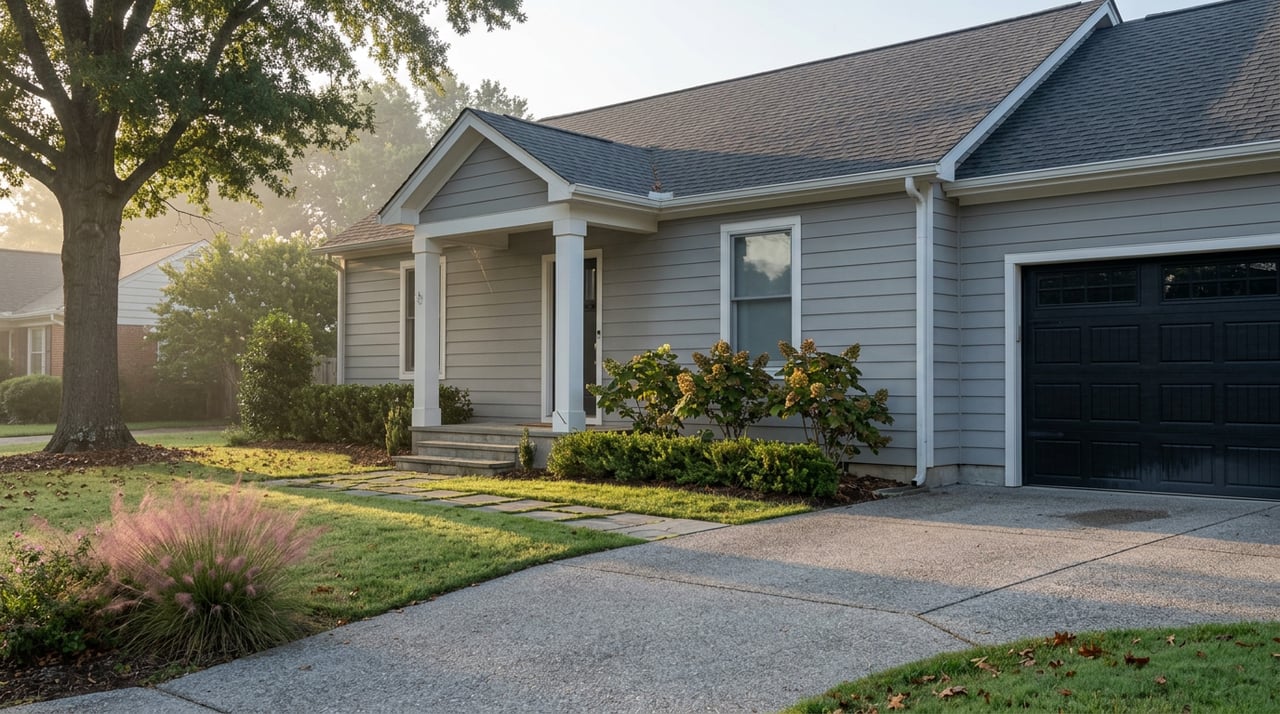
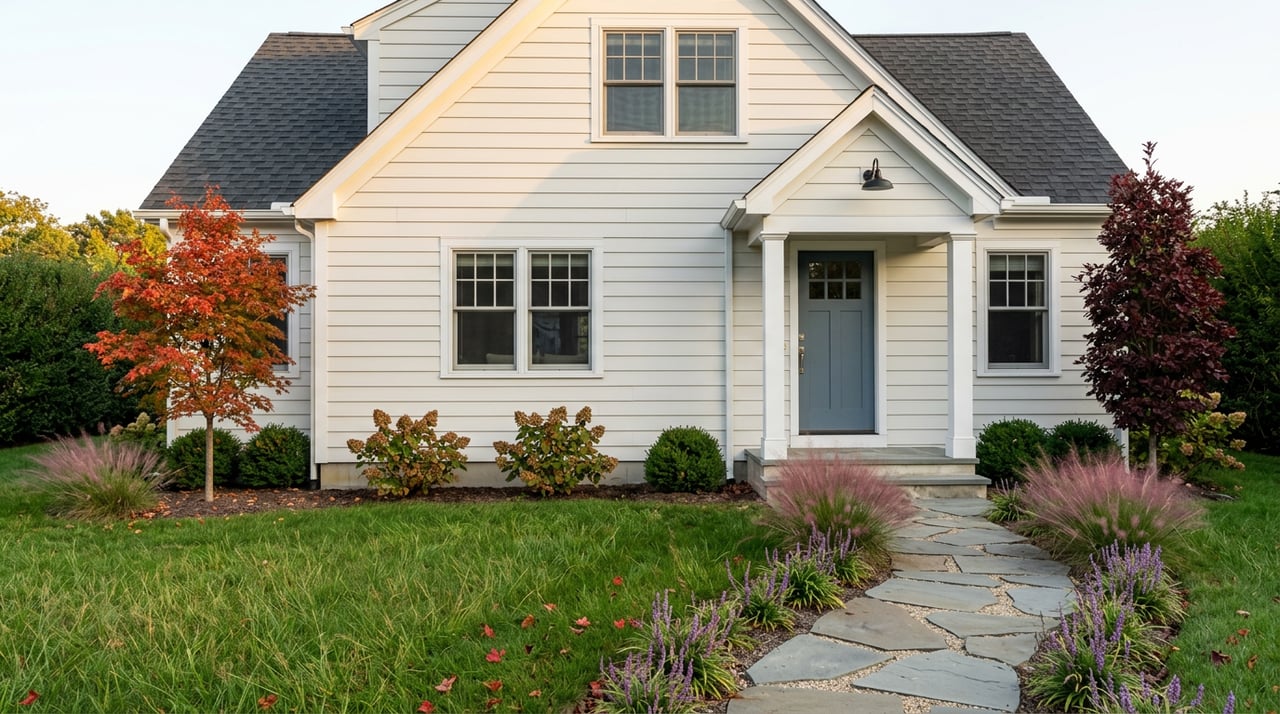
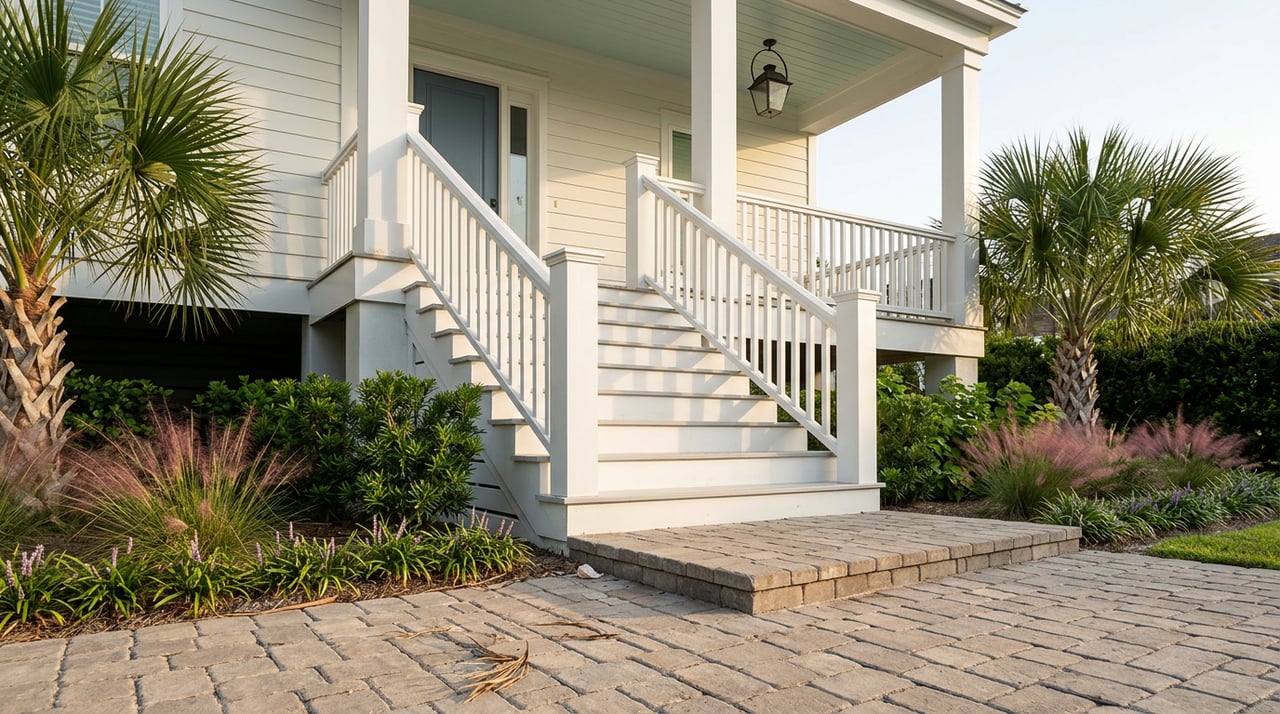
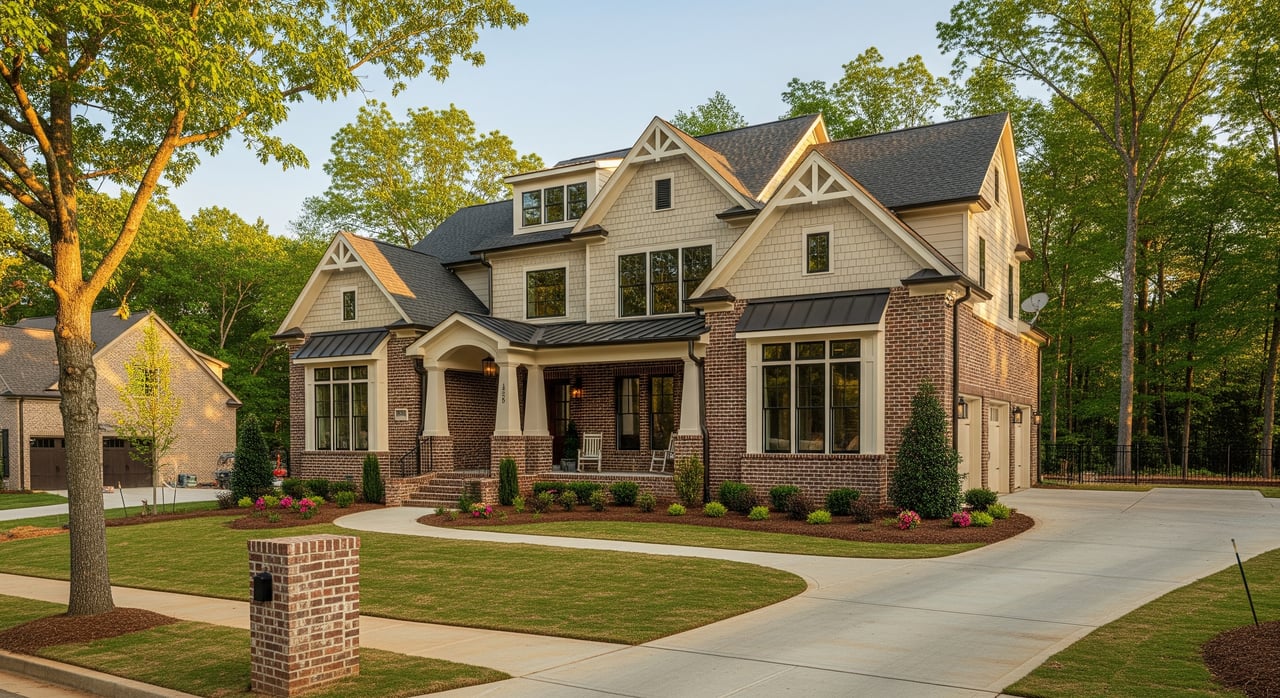
Most new construction in 28227 centers on single-family detached homes. You will also find some townhomes in select projects. Neighborhoods range from small-lot layouts with compact yards to traditional suburban lots and occasional estate-size options with more space.
Builders active in Mint Hill often include a mix of national volume builders and regional or local firms. Each builder brings different standard features, contract terms, and warranty programs. Understanding those differences early helps you budget and plan for build timelines, upgrades, and long-term maintenance.
What to compare across communities
Use the sections below to line up communities side by side. When you can’t find an item online, ask the onsite sales team or request documents. Always confirm key details in writing.
Lots and home sites
- Lot size and type. Typical ranges in suburban communities are about 0.3 to 0.6 acre, with small-lot neighborhoods closer to 0.15 to 0.30 acre. Estate-style options can run 0.6 acre or larger. Treat ranges as approximate until you confirm via plats or parcel records.
- Site characteristics. Note slope (flat vs rolling), tree cover, buffers, and any conservation or stream setbacks that limit the buildable area.
- Setbacks and minimum house size. Check recorded covenants and plats for setbacks and any minimum finished square footage.
- Utilities. Confirm public water and sewer versus well and septic. Ask about natural gas and fiber or cable internet availability.
- Drainage and floodplain. Review stormwater easements and flood maps before you commit to a lot.
Verification tips: Mecklenburg County GIS and parcel pages, recorded plats from the Register of Deeds, and builder site plans are your best sources. Cross-check marketing materials against public records.
Home types and pricing
- Square footage and plans. Identify typical finished square footage and popular layouts, including bedroom and bathroom counts.
- Base prices vs. move-in-ready. Distinguish between starting prices, spec home pricing, and lot premiums. Ask for a current community price list and the standard features sheet.
- Inclusions and upgrades. Clarify what’s included in the base price versus common upgrades like kitchen packages, flooring, energy features, and smart-home tech.
Verification tips: Builder spec sheets and model homes, active MLS listings for the community, and current price lists from the sales office.
Amenities and open space
- Onsite amenities. Look for pools, clubhouses, playgrounds, walking trails, pocket parks, dog parks, and sports courts.
- Maintenance and ownership. Confirm who maintains common areas and whether streets are private or public.
- Offsite access. Note proximity to parks, greenways, retail, and golf courses.
Verification tips: HOA governing documents, builder amenity maps, and county parks resources.
HOA structure and fees
- Governance. Many new neighborhoods begin under developer control, then transition to a homeowner-elected board.
- Dues and coverage. Record the amount, frequency, and what dues cover, such as common-area landscaping, amenities, reserves, and maintenance of private streets.
- Reserves and assessments. Look for reserve funding and the board’s ability to levy special assessments.
- Design rules and rentals. Review architectural guidelines, exterior design standards, landscaping rules, and any rental or short-term lease restrictions.
Verification tips: Request the HOA package before you sign. Ask for the CCRs, bylaws, rules, budget, and recent meeting minutes. Confirm current dues with the management company and check state business registrations for the HOA entity.
Commute access and transportation
- Road access. Identify primary access roads and the nearest I-485 interchanges. Consider routes via Independence Boulevard (US-74) or NC-51, depending on your destination.
- Drive-time ranges. Commuting times vary by time of day, route, and ongoing road projects. Always run live checks during your typical commute.
- Transit and walkability. East-side Mint Hill has limited rail access and less bus service than central Charlotte. If transit matters, look for proximity to park-and-ride locations or express corridors.
Verification tips: Use live-drive tools to test morning and evening windows. Review NCDOT and local transportation plans for any projects that may affect travel times.
Builder practices and warranties
- Builder type and reputation. National builders typically offer standardized processes and incentives. Local builders may offer more customization. Compare past buyer feedback and warranty responsiveness.
- Warranty coverage. Many builders follow a one-year workmanship, two-year systems, and 10-year structural model. Ask for the actual warranty document and whether a third party backs the structural coverage.
- Contracts and deposits. Review deposit requirements, lot reservations, arbitration clauses, change-order processes, and allowances.
Verification tips: Obtain the sample contract and warranty documents in writing before you place a deposit. Review customer service timelines and escalation steps.
Quick-glance comparison template
Use this checklist to build a side-by-side snapshot for any community you’re considering in 28227:
- Community name and location
- Active builder(s)
- Lot size range (approximate)
- Typical home sizes and plan types
- Base price range and current spec pricing (date-stamped)
- HOA dues and what they cover
- Amenities list and maintenance responsibility
- Utilities (public water/sewer, gas, fiber/cable)
- Assigned public schools and district; confirm with official maps
- Access to I-485 and primary commute routes; live commute ranges
- Warranty structure and backing
- Notable restrictions or ARC guidelines
- Sources and last verified date for each data point
Note: Prices, incentives, and dues change often. Date-stamp every figure and ask for written confirmation from the sales office or HOA manager.
Commute and daily life in 28227
Mint Hill offers suburban convenience with access to I-485 and nearby retail and services. Your actual commute will depend on where you work and when you travel. Many residents use I-485 for regional trips and Independence Boulevard or NC-51 for local routes.
Traffic can change quickly with weather, school schedules, and road work. Before you commit to a lot, run drive tests during your typical windows for two or three days. Also review planned roadway projects that could improve or impact future traffic patterns.
If transit is a priority, remember that east-side suburban service is more limited than central Charlotte. Consider park-and-ride options and whether sidewalks and trails connect your street to neighborhood amenities.
Red flags to watch
- HOA documents are unavailable or delayed. You should see CCRs, bylaws, rules, budget, and recent minutes before you sign.
- Weak reserve funding or vague budgets. That can increase the risk of special assessments later.
- Lack of public water and sewer. If a property is on well or septic, confirm permits and long-term maintenance costs.
- No written warranty or contract access before deposit. Insist on documents you can review with your agent.
- High lot premiums or mandatory upgrades without itemization. Ask for line-item detail.
- Extended developer control without a turnover plan. Clarify the timeline for homeowner governance.
- No sidewalks or poor pedestrian connectivity. Consider day-to-day use and resale appeal.
- Unfinished amenities with unclear schedules. Get completion timelines in writing.
Smart steps to verify
- Confirm lot size and boundaries through county parcel records and recorded plats.
- Request the full HOA package and ask the manager to confirm current dues and coverage.
- Verify school assignments using official district maps and request the builder’s school assignment letter.
- Check FEMA flood maps and local stormwater easements for drainage constraints.
- Run live commute checks to your destinations at peak and off-peak times.
- Obtain the builder’s full warranty and sample contract before placing a deposit.
How to use this guide to compare “top” picks
Start with your must-haves. Do you want a larger yard, a shorter commute, or specific amenities like a pool or trails? From there, shortlist three to five communities and gather the same data points for each using the template above. This keeps the comparison objective and helps you see what you are truly paying for.
If you are torn between two builders, look past the model finishes. Compare lot sizes and orientation, included energy features, and the warranty terms. Ask how the builder handles warranty claims and their average turnaround time for repairs.
Finally, think ahead to resale. Communities with clear HOA governance, completed amenities, sidewalks, and good connectivity tend to attract broader buyer interest over time.
Get a personalized side-by-side
If you want a current, date-stamped comparison of active new-home communities in 28227, I can assemble it for you with verified HOA details, live-drive commute ranges, and builder warranty documents. You will see what fits your budget and lifestyle without guesswork.
When you are ready, schedule your personalized consultation with Trenette Tucker. We will align your must-haves, shortlist the best options, and guide you through every step of the new-construction process with clear timelines and disciplined follow-through.
FAQs
What types of new homes are common in Mint Hill 28227?
- Most new builds are single-family detached homes, with some townhome options in select projects.
How big are lots in Mint Hill’s new neighborhoods?
- Expect approximate ranges from 0.15 to 0.30 acre in small-lot areas, 0.3 to 0.6 acre in standard suburban communities, and 0.6 acre or more for estate-style options.
Does Mint Hill offer age-restricted or active-adult communities?
- Age-restricted options are less common in Mint Hill than in larger Charlotte submarkets; confirm availability with each builder.
How do HOA fees work in new communities?
- Dues are set by the HOA and typically cover common-area maintenance, amenities, and reserves; always request the current budget and rules before you sign.
What should I know about commutes from Mint Hill?
- Commute times vary by route and time of day; test live drive times to your destinations and review planned road projects that may affect traffic.
How do builder warranties typically work?
- Many builders follow a one-year workmanship, two-year systems, and 10-year structural model; always request the full written warranty and ask about the claims process.